
Bathroom Renovation Cost London: The Brutally Honest 2026 Price Guide
7 March 2026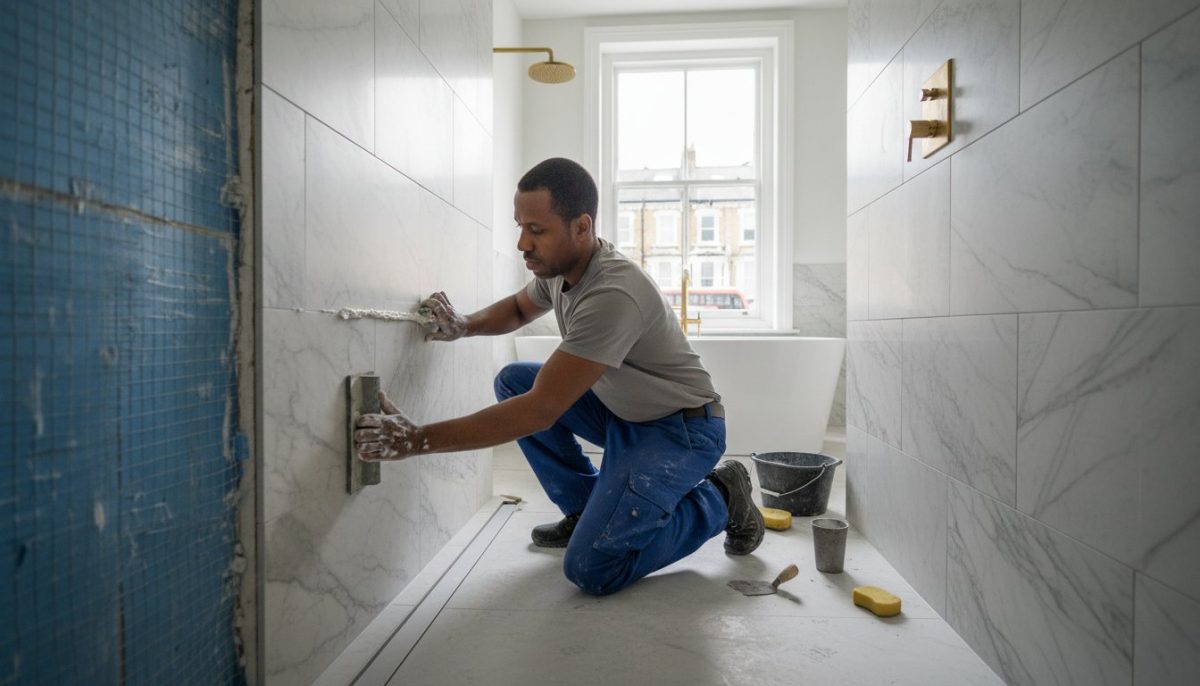
In 2024, 65% of homeowners in the capital reported that their initial quotes increased by at least £2,500 before the final tile was laid. Most people accept these hidden fees as an unavoidable part of the process, but we believe that’s a poor way to do business. Planning a bathroom renovation London shouldn’t feel like a gamble with your savings. You deserve to know exactly where every pound goes, from the certified plumbing work to the specific skip permits required by your local council.
We agree that the renovation industry is often too complex and intentionally vague. That’s why we’ve built this 2026 guide to provide the transparency you’ve been missing. We’ll show you how to achieve a bespoke luxury finish without the traditional markups or the stress of managing four different contractors. You’ll learn how to navigate London’s unique logistics, master the technical requirements of high-quality waterproofing, and secure a fixed-price contract that actually stays fixed. It’s time for honest craftsmanship that adds real value to your home.
Key Takeaways
- Understand the full scope of a bathroom renovation London project, from initial demolition to the final mastic finish in Victorian terraces and modern flats.
- Learn why certified Gas Safe engineering and identifying hidden structural issues behind your tiles are non-negotiable for a safe, long-lasting transformation.
- Master the 2026 London market with a clear breakdown of average costs in £ and strategies to secure fixed-price quotes that eliminate mid-project hikes.
- Navigate complex London logistics with ease, from securing trade parking permits to choosing between skip licenses and “Wait and Load” services.
- Discover the Lufe UK philosophy of honest craftsmanship, where director-led oversight ensures local expertise and transparent, pragmatic results.
The Reality of Bathroom Renovation in London in 2026
A bathroom renovation London project in 2026 is a complex undertaking that goes far beyond replacing a vanity or a mirror. We define a full-suite renovation as the complete process of improving a room from the initial demolition of old tiles down to the final, precise mastic finish. In a city where 60% of the housing stock consists of Victorian or Edwardian terraces, you cannot ignore what lies behind the walls. These older properties often hide lead piping or uneven joists that require modern structural solutions before a single new tile is laid.
We believe in an honest price philosophy. The market has changed. In 2026, the average cost for a high-quality, full-suite bathroom in London ranges between £15,000 and £25,000. This reflects a 12% increase in material costs since 2024 and the scarcity of skilled labor. We don’t hide these figures behind vague estimates. Transparency is our priority because it builds trust. You deserve to know that a skilled tiler in London now commands £350 to £450 per day. We provide these details upfront to ensure your budget remains grounded in reality.
Modern London flats present different challenges. Integrated heat recovery systems and strict building regulations in high-rise developments require specific technical knowledge. Whether you live in a 19th-century conversion in Islington or a 2025 new-build in Canary Wharf, the technical requirements are non-negotiable. We focus on the essentials: solid materials, proper waterproofing, and functional design that lasts for decades rather than seasons.
The Evolution of London Bathroom Standards
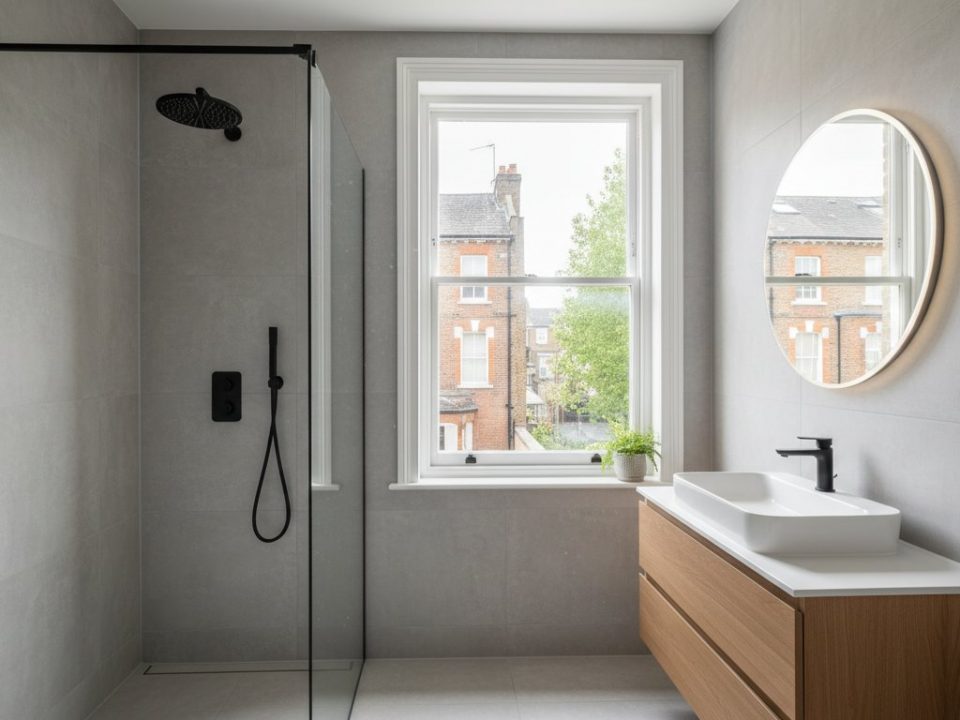
By 2026, the London market has shifted away from “quick flips” toward long-term value. Wet rooms are now a standard request in 45% of our projects, reflecting a desire for accessibility and sleek aesthetics. We see a growing demand for integrated technology, specifically digital showers that save 30% more water than traditional mixers. Choosing “cheap” options often results in a 20% loss in property resale value when leaks occur. We prioritize bespoke cabinetry and smart lighting that enhance the daily ritual of the home.
Why a Full-Suite Service Beats Managing It Yourself
Coordinating a bathroom renovation London alone is a logistical nightmare. A typical project requires five distinct trades: a plumber, an electrician, a tiler, a carpenter, and a decorator. When you manage it yourself, you often face “dead days” where the site sits empty because one trade is delayed. This can extend a three-week project into a two-month ordeal. Our Lufe UK approach eliminates this friction. We provide a single point of accountability. We manage the schedule so that every hour on-site is productive. We control the process from the first brick to the final polish, ensuring our standards of simplicity and honesty are met at every stage. This efficiency isn’t just about saving time; it’s about respecting your home and your investment.
The Technical Anatomy: What Happens Behind Your Tiles
A successful bathroom renovation London project begins with controlled destruction. We don’t just swing hammers; we peel back layers of history. In London’s Victorian and Edwardian conversions, this phase often reveals 1920s lead piping or joists weakened by decades of slow leaks. We identify these structural flaws immediately. If a joist shows even 10% rot, we replace it. You can’t support a new 150kg stone resin bath on a decaying foundation. It’s about honesty in the build. We fix what’s broken before we hide it with expensive ceramics.
Waterproofing, or tanking, is the most critical stage. Industry data indicates that 48% of contractors rush this process to save 48 hours on the timeline. They rely on “water-resistant” plasterboard which eventually fails. We use full tanking membrane kits in every wet zone. This adds roughly £220 to your material costs but prevents a £5,000 insurance claim from the neighbour downstairs. We treat the shower enclosure like a sealed tank. If it isn’t watertight before the tiles go on, the job isn’t done.
Certified Gas and Electrical Work
Safety in a wet environment isn’t optional. We only use Gas Safe engineers to relocate boilers or install gas-powered underfloor heating systems. This is a legal requirement under UK building regulations. For lighting, we divide the room into zones. Every fixture in Zone 1, directly above the bath or shower, must be IP65 rated. We don’t take shortcuts with electricity and water. We ensure your consumer unit is RCD protected to 2026 safety standards before we even wire a single LED.
Tiling and Plastering: The Foundation of Aesthetics
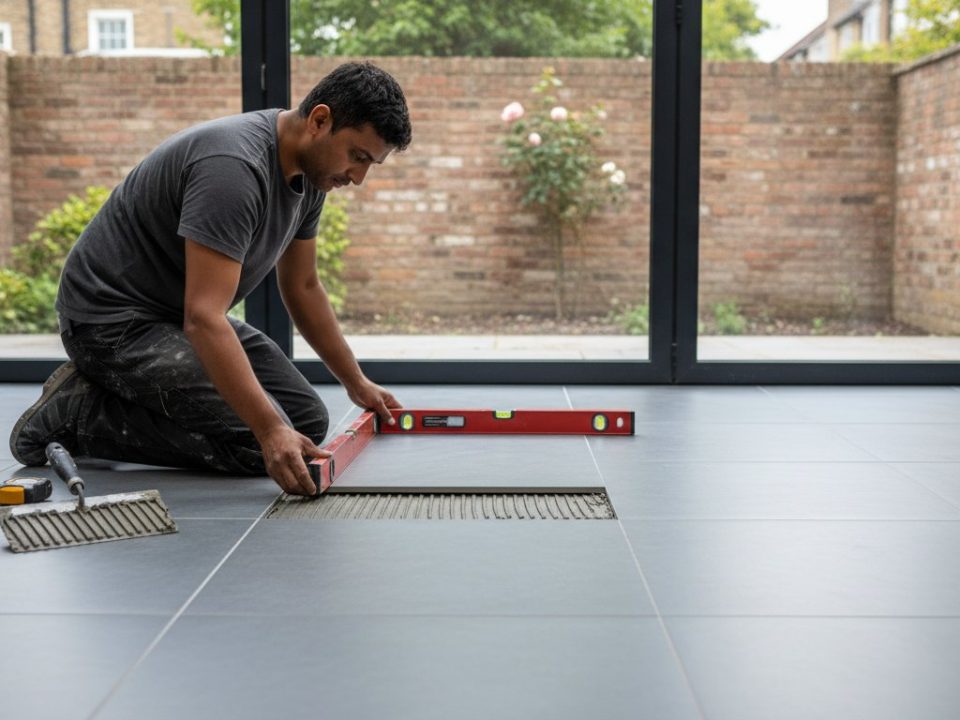
London walls are rarely straight. We’ve seen 100-year-old brickwork that leans 30mm from floor to ceiling. Many builders use the “dot and dab” method to fix boards quickly. We avoid this for heavy porcelain tiles. Large format tiles require a solid bed of adhesive to prevent cracking. If you choose natural stone, we seal it twice. Once before grouting and once after. It’s a slower process, but it’s the only way to ensure your bathroom renovation London looks as good in five years as it does on day one.
- Ceramic: Lightweight and cost-effective for walls.
- Porcelain: Extremely dense and perfect for high-traffic floors.
- Natural Stone: Requires maintenance but offers unmatched texture.
The final finish relies on the mastic specialist. This is the most underrated professional in the trade. A general builder might apply silicone as an afterthought. A specialist creates a uniform, surgical bead that prevents mould and finishes the room. We believe in using the right materials for a long life. If you value this same commitment to raw, durable materials, you might appreciate our approach to solid wood furniture for the rest of your home. We focus on what lasts. The technical work behind your tiles is the silent engine of your bathroom. We make sure it’s built to run for decades.

Calculating Costs & Timelines in the London Market
London isn’t cheap. We know it, you know it, and your bank account definitely knows it. A bathroom renovation London project requires a clear head and a sharp pencil. In 2026, labour accounts for 60% of your total bill. While a plumber in Manchester might charge £40 per hour, a London professional starts at £75 or £85. You’re paying for their ULEZ charges, parking permits, and the complexity of working in tight urban spaces. Don’t settle for an estimate. Estimates change. You need a fixed-price contract. This document locks in the cost before the first tile comes off the wall. If a contractor won’t commit to a fixed price, walk away. They’re leaving the door open for “unforeseen” costs that usually aren’t surprises at all.
2026 Bathroom Renovation Price Guide
Budgeting £5,000 to £8,000 covers a cosmetic update. We call this a “rip and replace” job. You keep the toilet where it is, swap the taps, and re-tile. It’s honest work for a fair price. Moving into the £8,000 to £15,000 range allows for a full strip-back to the studs. This is the London standard. It covers high-quality porcelain and reliable fixtures. Bespoke luxury starts at £15,000. This tier handles custom wet rooms, micro-cement finishes, and premium lighting systems that require specialized electrical signatures.
Factors That Inflate Your London Budget
Hidden problems are the real budget killers. Roughly 40% of Victorian terrace renovations reveal rotten floor joists or outdated lead piping once the floorboards come up. If you decide to move the soil stack, expect to add at least £1,500 to your bill immediately. This type of structural work often requires UK Building Regulations for Bathrooms approval to ensure the home remains safe and compliant. Material choices also dictate the final tally. Brushed brass fittings cost 30% more than standard chrome. Custom joinery made from solid wood adds durability but requires more skilled hours on-site. We value materials that last, not just things that look shiny for a few months.
Logistics in the capital add a hidden tax to every project. Skip hire in Camden or Islington costs 25% more than in outer boroughs like Bromley. If your flat is on the fourth floor without a lift, labour costs will rise because everything must be carried by hand. These aren’t excuses; they’re the reality of the city. A transparent builder will list these logistical hurdles in your initial quote so there are no shocks on day ten.
Be wary of the 10-day promise. It’s a red flag. A proper bathroom renovation London takes 15 to 21 working days. Drying times for floor screed and tanking membranes cannot be rushed. If a builder says they’ll be done in two weeks, they’re likely cutting corners on waterproofing. You’ll pay for that mistake in three years when your floor starts to rot. Quality takes time. We don’t believe in shortcuts because they’re the most expensive way to build in the long run. Stick to a realistic schedule and you’ll get a bathroom that lasts a lifetime.
Navigating London Logistics: From Permits to Water Pressure
A bathroom renovation London is more than choosing a tap. It’s about managing the street outside your front door. London isn’t built for modern construction traffic. We handle the red tape because we’ve seen it all before. From the narrow streets of Ruislip to the Victorian terraces of Clapham, logistics can eat your budget if you aren’t careful. We keep things simple and transparent. We plan for the street as much as the suite.
Parking is the first hurdle. In boroughs like Islington or Kensington, a parking suspension for a trade van can cost between £60 and £110 per day in 2026. We book these 14 days in advance to avoid fines. If your property lacks a driveway, we look at “Wait and Load” services. A skip permit in Camden costs £107 for two weeks; a “Wait and Load” truck stays for 30 minutes and leaves. It’s faster. It’s cheaper. It keeps the pavement clear.
Permits and Council Regulations
Every London borough has its own fee structure. We don’t guess; we check the 2026 rates for every project. Beyond the street, we manage “Part P” electrical notifications. This is a legal requirement for any bathroom work involving wiring. We use certified electricians who self-certify their work. This ensures your home stays safe and your paperwork is ready when you eventually sell. We don’t take shortcuts with safety or the law.
Plumbing Challenges in Older Properties
London’s housing stock is aging. If your home was built before 1970, we often find lead supply pipes. These are a health risk and restrict flow. We replace them with modern MDPE piping. Most Victorian homes rely on gravity-fed systems. These are fine for a basic bath but useless for a high-performance rain shower.
Our data shows that 75% of our bathroom renovation London projects require a pressure boost. We install unvented cylinders or high-quality pumps to ensure your shower doesn’t turn into a trickle when someone turns on a kitchen tap. Understanding these hidden costs is vital for an honest budget. You can learn more about how Why professional plumbing is the heart of your bathroom determines the longevity of your project.
Noise and dust are the enemies of good neighborly relations, especially in converted flats. We follow a strict code of conduct. We only perform heavy drilling between 10 am and 4 pm. We use dust extractors and protect communal carpets with heavy-duty Correx sheeting. It’s about respect. We treat your neighbors’ hallways with the same care as your new bathroom. We communicate early and often to prevent complaints before they start.
Logistics shouldn’t be your headache. We manage the permits, the pressure, and the people so you can focus on the result. If you want a renovation team that values honesty and hard work over marketing jargon, we are ready to help.
Book your London site survey today
The Lufe UK Approach: Honest Craftsmanship for Your Home
We don’t believe in middle managers or sales representatives who have never held a spirit level. At Lufe UK, our work is defined by the direct involvement of our Director, Juris Antonenko. Juris oversees every project to ensure the high standards we’ve set since our inception remain unbroken. We’re a Ruislip-based team of local experts. While we’re rooted in West London, we serve the entire capital, bringing a pragmatic, no-nonsense approach to every street from Harrow to Hackney. Choosing the right partner for a bathroom renovation London shouldn’t feel like a gamble; it should feel like a partnership with people who actually do the work.
Accountability is our greatest asset. Most firms juggle five different subcontractors, leading to delays and “finger-pointing” when things go wrong. We do things differently. Our internal team handles the entire lifecycle of your project:
- Demolition: Clean, efficient removal of your old suite without damaging the property.
- Gas and Plumbing: Certified engineers who understand the complexities of London’s varied water pressure systems.
- Electrical: Full compliance with 2026 safety standards for lighting and power.
- Tiling and Finishing: Master tradesmen who treat every millimetre of grout with respect.
This “one team” philosophy means that if a pipe leaks or a tile is crooked, there is only one person to call. We take full responsibility for the result. We’ve found that this transparency reduces project timelines by an average of 15% compared to firms using external contractors.
Our Bespoke Design Philosophy
We’ve built our reputation on eliminating the “luxury tax” that plagues the London interior scene. You shouldn’t pay a 40% markup just because a showroom has a fancy address. We provide high-end results at pragmatic prices by focusing on material quality rather than marketing fluff. A major part of this is our focus on the finish. We employ a dedicated mastic specialist for every bathroom renovation London. It sounds small, but a clean, professional seal is the difference between a leak-proof sanctuary and a damp-prone headache. We also specialise in bespoke tiling for unique London floorplans, ensuring that even the tightest Victorian conversion looks intentional and spacious.
Starting Your Project with Lufe UK
Honesty is our policy from the first minute. During your initial consultation, we won’t promise the impossible. If your budget doesn’t match your Pinterest board, we’ll tell you. Then, we’ll show you how to achieve a similar look using smarter material choices. Our roadmap is clear. Day 1 is always about protection and prep. By Day 5, the first fix is usually complete. By Day 10, we’re often at the handover stage for standard-sized rooms. We provide a fixed-price quote so you aren’t surprised by “hidden extras” halfway through the build. We’ve seen too many homeowners burned by shifting costs; we prefer to keep our prices as solid as our masonry. Request your fixed-price bathroom renovation quote today and let’s discuss how to transform your space with integrity.
Secure the Future of Your London Home
A bathroom renovation London project in 2026 requires more than just new tiles. It demands a deep understanding of 2.0 bar pressure systems and the strict logistics of 33 local boroughs. We’ve laid out the technical reality because we believe you deserve the truth about what happens behind your walls. You shouldn’t have to guess about 14-day timelines or hidden costs when planning your space.
Our approach is simple and direct. We use Gas Safe Certified Engineers and Expert Mastic Specialists to guarantee a perfect finish every time. We eliminate financial stress by providing Fixed-Price Project Fees, ensuring your initial quote is the final amount you pay. We don’t hide behind complex jargon or vague estimates. We offer honest craftsmanship that prioritizes durability over temporary trends. It’s about doing the job right the first time for a fair price.
Ready to start your project with a team that values transparency as much as you do? Book Your Free London Bathroom Consultation today. Let’s build something honest together.
Frequently Asked Questions
How much does a bathroom renovation cost in London in 2026?
A standard bathroom renovation London project in 2026 costs between £7,500 and £12,000 for a typical 5-square-meter space. These prices cover essential labor, plumbing, and mid-range materials like solid wood vanities or ceramic tiles. If you choose high-end stone or bespoke fixtures, your budget should start at £18,500.
We don’t believe in hidden markups or confusing quotes. Our approach focuses on a fair price for honest work and durable materials. You pay for quality, not for a fancy showroom or unnecessary sales staff.
How long does it take to renovate a bathroom in a Victorian terrace?
Renovating a bathroom in a Victorian terrace typically takes 15 to 20 working days. These older London homes often have 100-year-old lead pipes or rotten floor joists that we must replace before installing new fixtures. We spend the first 5 days on demolition and structural repairs to ensure your floor is level and strong.
The remaining 10 to 15 days focus on plumbing, tiling, and fitting. We work efficiently because we control our process from start to finish. We won’t leave your home a mess for longer than is strictly necessary.
Do I need a permit for a skip in London?
You need a permit from your local council if the skip sits on a public road. Costs vary across the city, with Hackney charging £68 and Westminster reaching £110 for a basic two-week permit. If you have a private driveway or garden to place the skip, you don’t need to pay for a permit.
Fines for placing a skip on the road without a license can reach £1,000. We always check your specific borough’s rules before we start work. It’s part of our commitment to a transparent and hassle-free service.
Is a Gas Safe engineer required for a bathroom renovation?
You must hire a Gas Safe engineer if your bathroom renovation London plan involves moving a boiler or changing gas pipes for a radiator. This is a legal requirement under the Gas Safety Regulations 1998 to keep your home safe. For simple tasks like tiling or swapping an electric shower, a gas specialist isn’t needed.
We don’t take risks with your safety. If gas work is required, we use certified professionals who provide the necessary paperwork. It’s about doing things properly, not taking dangerous shortcuts to save a few pounds.
What is the best way to waterproof a bathroom floor?
The best way to waterproof a bathroom floor is by using a professional tanking kit with a liquid membrane and reinforcing tape. This system creates a 100% watertight seal that protects your wooden joists from rot and damp. We avoid cheap plastic sheets because they often tear during the tiling process.
A waterproof room is a durable room. We focus on these essential layers because they guarantee your bathroom lasts for decades. It’s a simple, pragmatic solution that prevents expensive repairs in the future.
Can I stay in my house while the bathroom is being renovated?
You can stay in your house, but you’ll experience 14 days of dust and intermittent water shut-offs. Demolition creates a 70% increase in airborne particles during the first 3 days of the project. If you only have one bathroom, you’ll need to arrange a temporary place to shower.
We’re honest about the disruption. It’s a construction site, not a spa. Most of our clients find it easier to stay with friends or in a hotel for the first week when the mess is at its peak.
Why is my London water pressure so low, and can you fix it?
London water pressure is often low because Victorian mains pipes only guarantee a flow of 1.0 bar at your property boundary. We fix this by installing an unvented hot water cylinder or a Stuart Turner pump to boost pressure to a steady 3.0 bar. This ensures your shower works perfectly every time.
Low pressure is a common frustration, but it’s a solvable problem. We use reliable, high-performance equipment to upgrade your system. We believe every home deserves a shower that actually feels like a shower.
What is the difference between a tiler and a mastic specialist?
A tiler installs the ceramic or stone tiles on your walls and floors, while a mastic specialist applies the final silicone sealant to the joints. The tiler handles 95% of the surface area, ensuring everything is level and straight. The mastic specialist finishes the final 5% to create a flexible, leak-proof barrier around baths and sinks.
We use both roles because they require different skills. A perfect bathroom needs the structural precision of a tiler and the neat, waterproof finish of a mastic pro. We don’t settle for “good enough” when it comes to keeping water where it belongs.